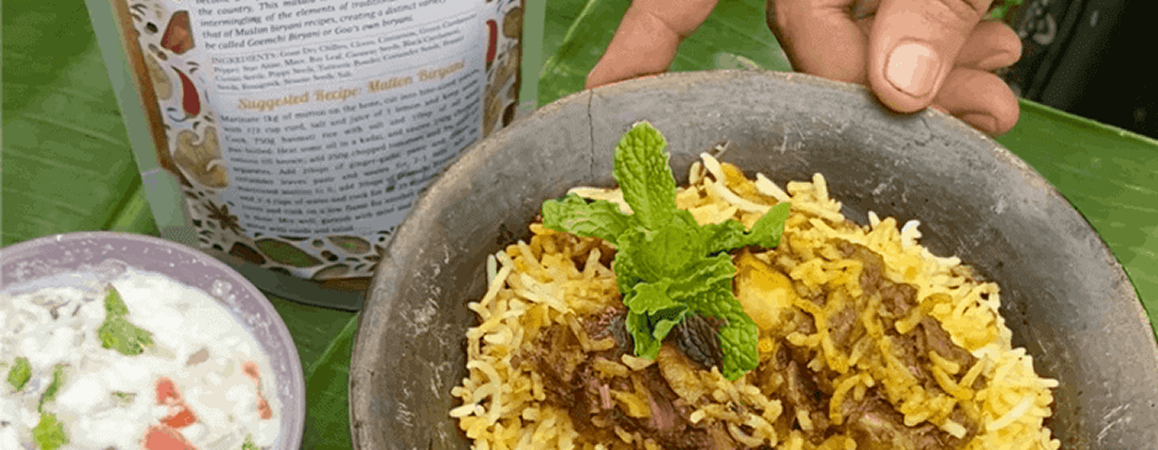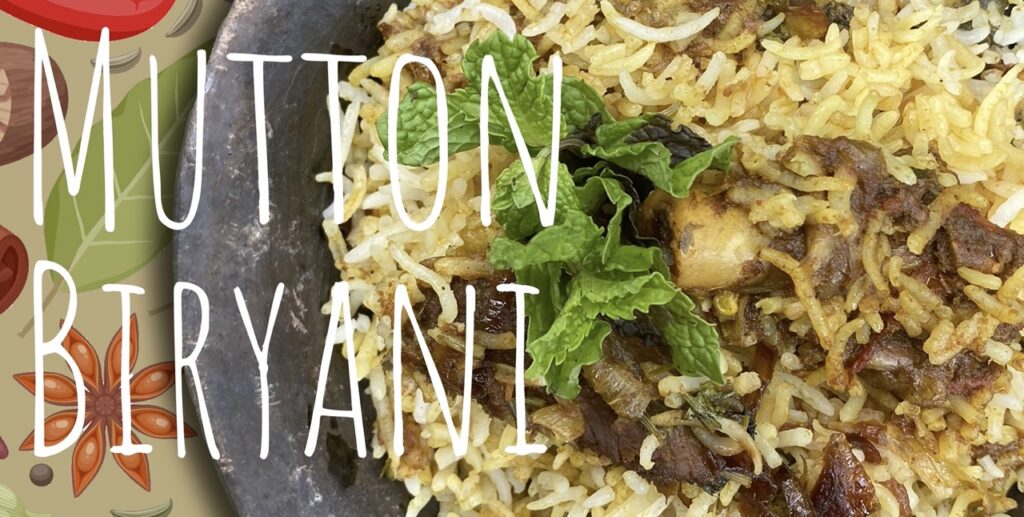
The Women of Goem Goenchi Biryani masala is an ancient recipe which is a blend of spices that are traditionally used by the Muslim community of the Goa Velha (old Goa) locality of Goa. It has been historically a very significant part of Goa where Adil Shahis of Bijapur had their ancillary capital. Our masala for Biryani, with its own characteristic flavour and aroma, is a recipe descended from this ancient muslim community of Goa. Handed down generations within families, this masala offers the aroma and taste of Mutton Biryani particular to Goa, and it is what you would find on the tables in Goan homes. The following biryani recipe is the traditional method for making mutton biryani as it is made in home kitchens and is not excessively rich or overtly opulent making it ideal for everyday meals. Like all our other masalas, this masala too does all the hard work, needing very little added ingredients, and makes Goan food accessible, desirable and simple to make, allowing you to be not only an expert in Goan cooking without spending too much time in the kitchen but also a connoisseur of traditional Goan cuisine. Enjoy.
What you need –
- Mutton: 500g
- Basmati rice: 500g
- Red onion: 2 large
- Fried Onions (optional): 1 cup
- The Women of Goem Goenchi Biryani masala: 4-5 tbsps
- Green Paste*: 3 tbsp; (instead you can use ginger 1 tsp and garlic 1 tsp or 1 tbsp ginger garlic paste)
- Turmeric powder: 1tsp
- Tomato: 2
- Bay leaf: 1
- Cardamom pods: 1
- Cinnamon stick: 1 inch
- Star anise: 2
- Cloves: 4
- Curd: 3 tbsps
- Mint leaves for garnish
*Green Paste – Green paste is a multi-purpose paste that is found in every Goan home, and is made to add in various preparations as and when needed. To make a simple green paste, Grind together 2 big bundles of fresh coriander leaves, 4-5 green chillies, 8 garlic cloves, 1/2 inch ginger and 1/2 tsp turmeric powder with a quarter cup of water. Make sure you add water a little at a time so that the paste is of thick consistency. Keep refrigerated and use as required.

Bibi Sugra Khan
This recipe of Mutton Biryani has a distinct Goan touch, and is from Bibi Sugra Khan from the Chandrawado locality of Fatorda. This biryani is made exactly how her family has been making it for ages.
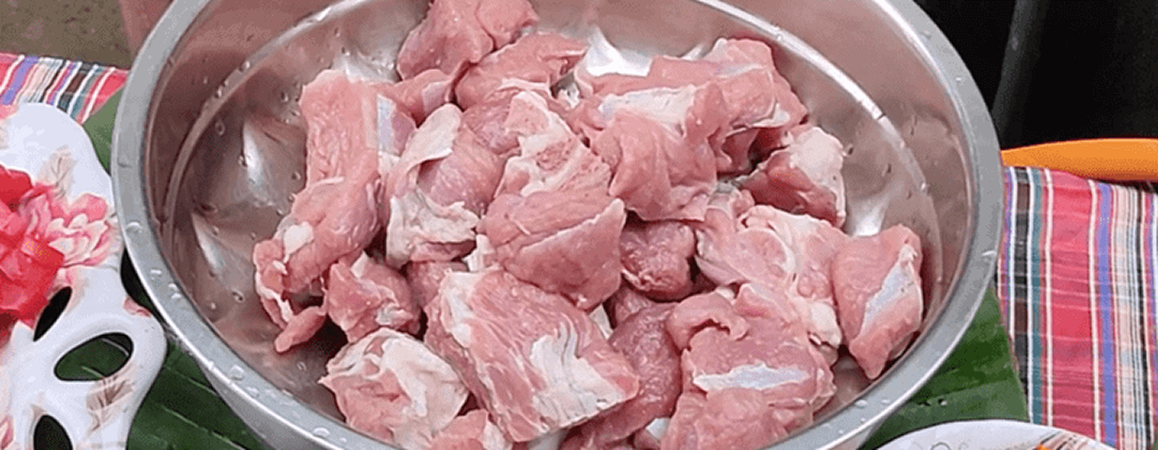
Step 1. Wash and dry the mutton, cut to bite sized pieces.
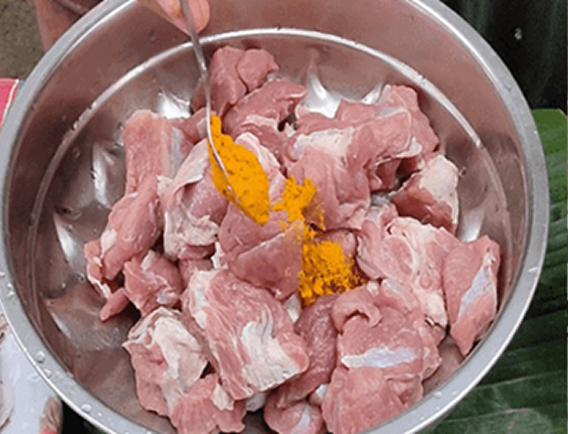
MARINATION Step
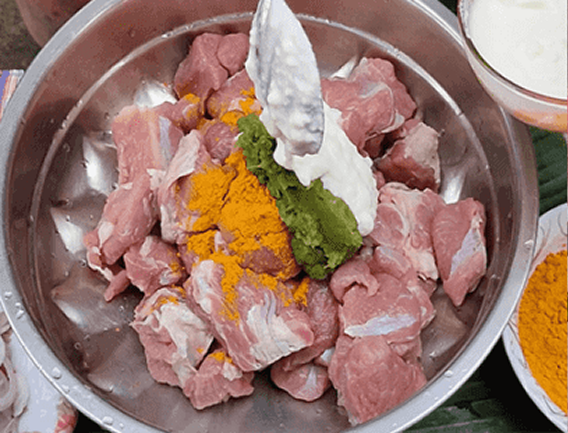
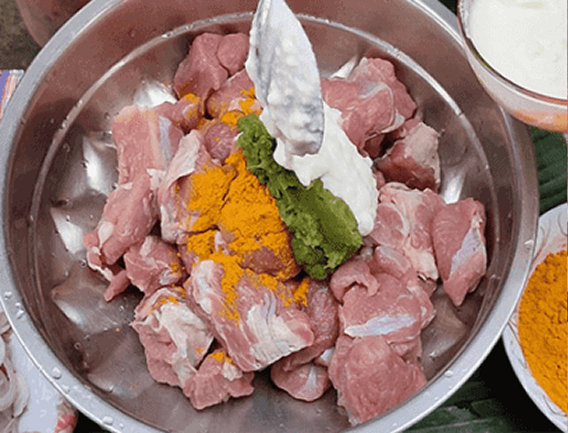
2. Add turmeric powder,

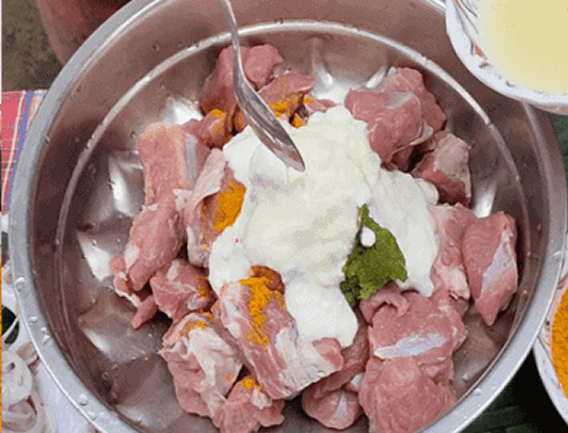
Curd

Lemon Juice

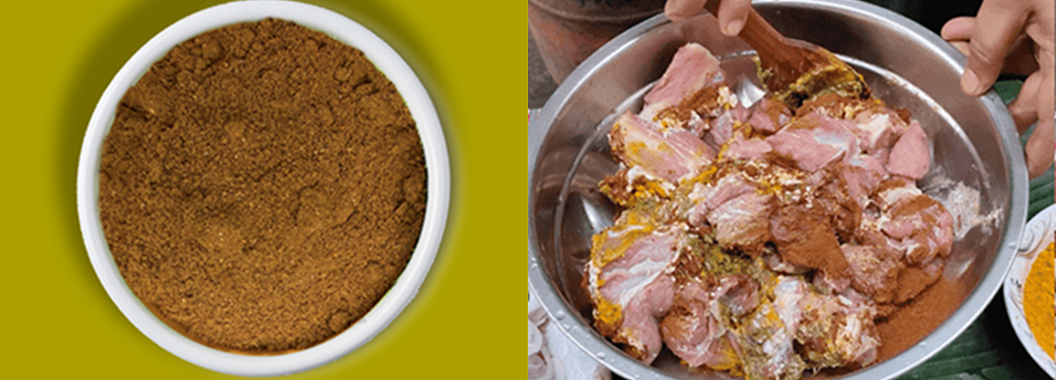
2 tbsps of Goenchi Biryani masala.
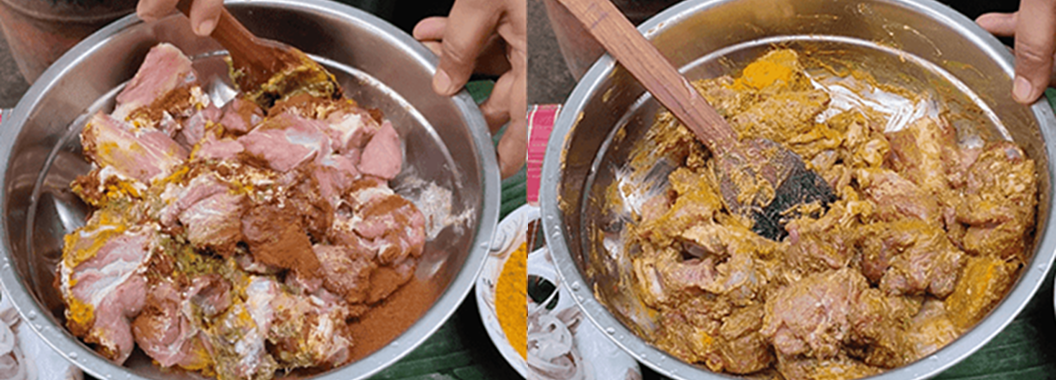

Mix well, use hands for better efficiency, and let it rest for at least an hour. Overnight is best.
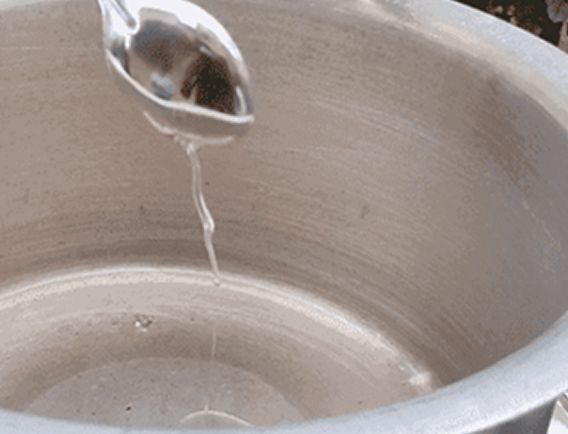

Step 3. Heat 4 tablespoons of oil in a deep bottomed pot
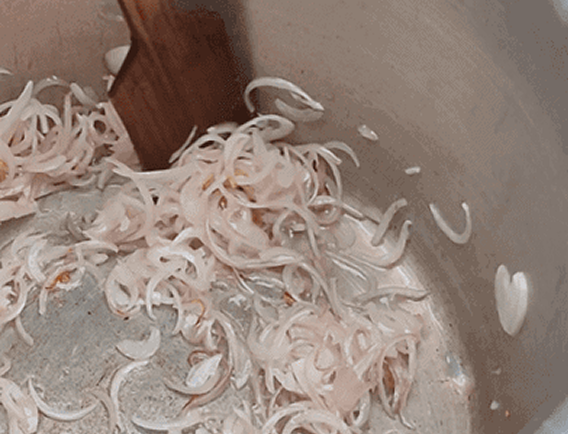
Step 4. Saute the onions until they turn translucent.
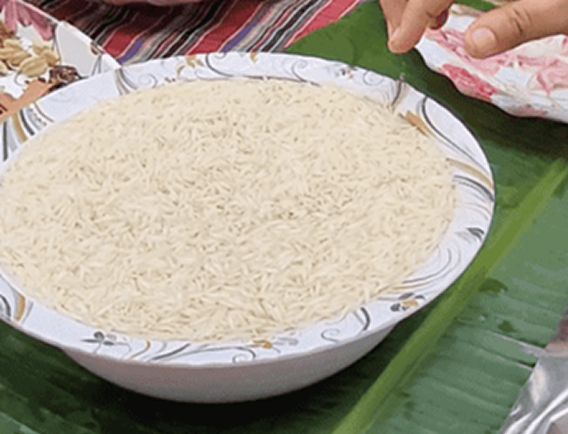
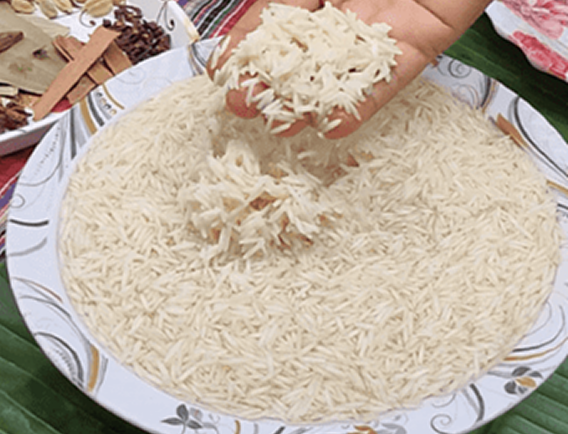
Step 5. Keep the Basmati rice soaked.

Step 4. Saute the onions until they turn translucent.
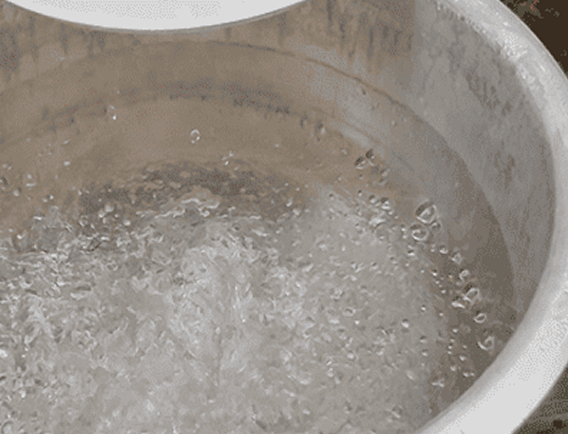
Step 6. Bring water to boil in a deep vessel.
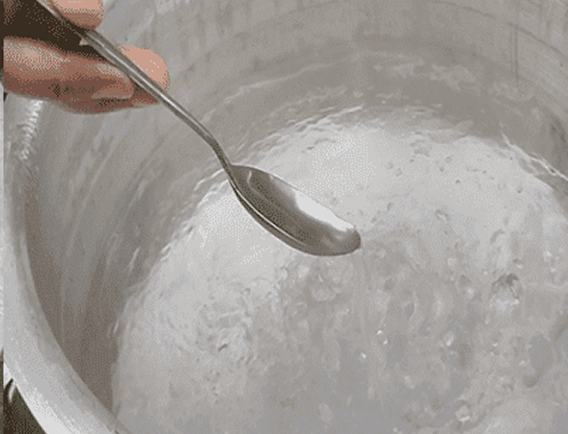
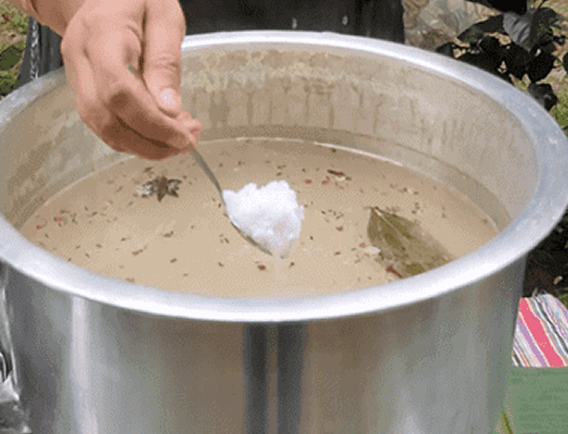
Step 7. Add 2 tsps of oil so that the rice do not stick.
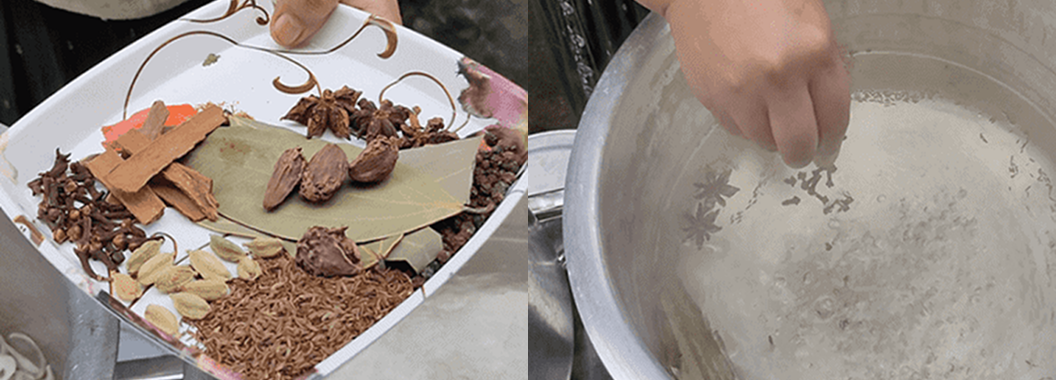
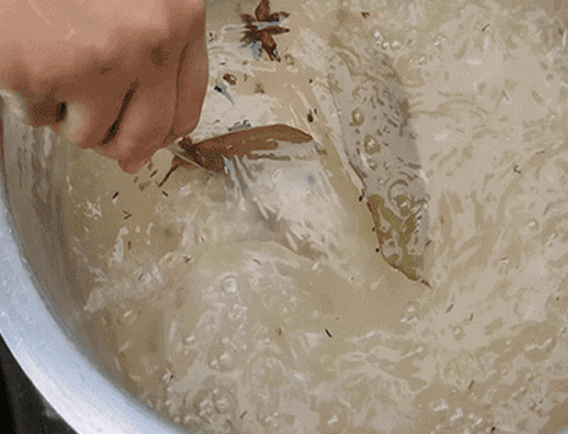
Step 8. Add all the raw spices.


Step 9. Add 1 tsp of salt.

Step 10. Stir well.

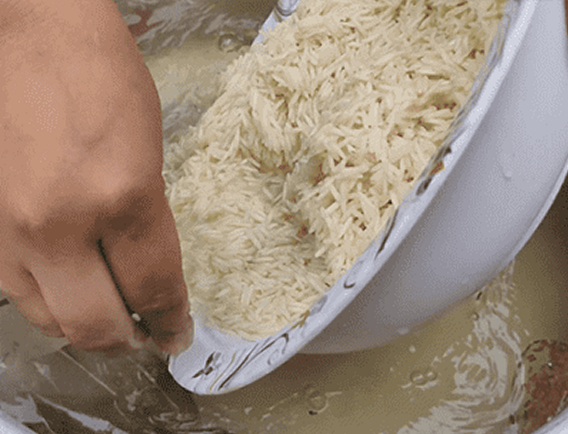
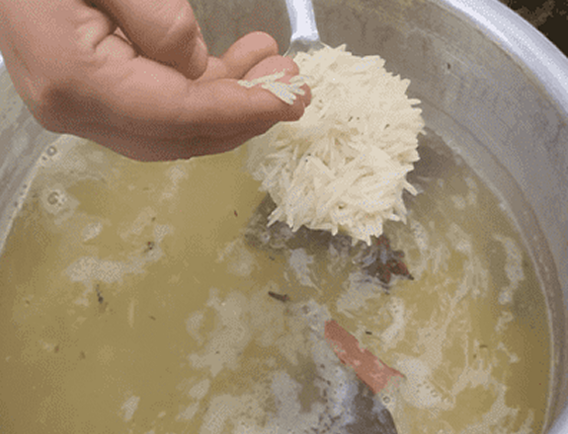
Step 11. Add the soaked rice.

Step 12. Cook until its 80% done. Should be firm to touch.
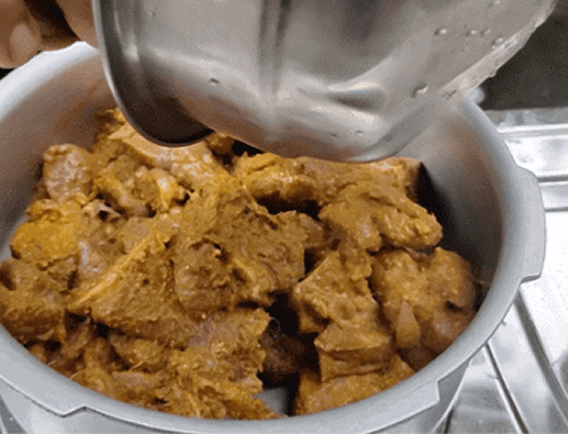
Step 13. Transfer the mutton to a pressure cooker.
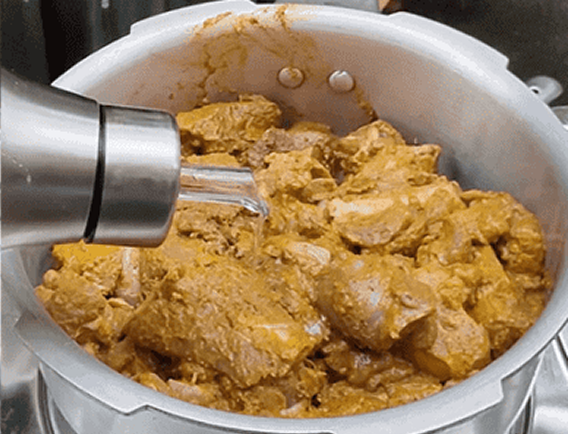
Step 14. Add 2 tsps of oil, enough water and cook for 20m.
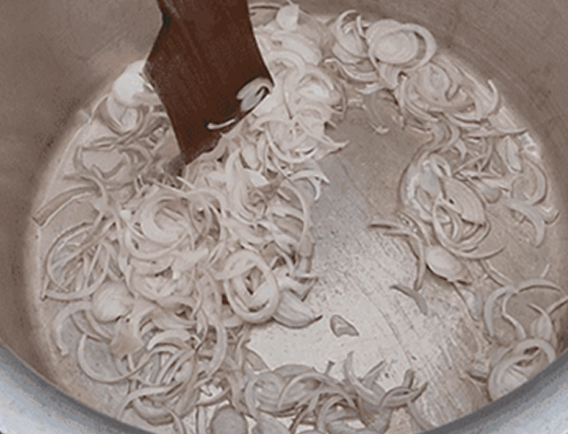
Step 15. The onions are done now

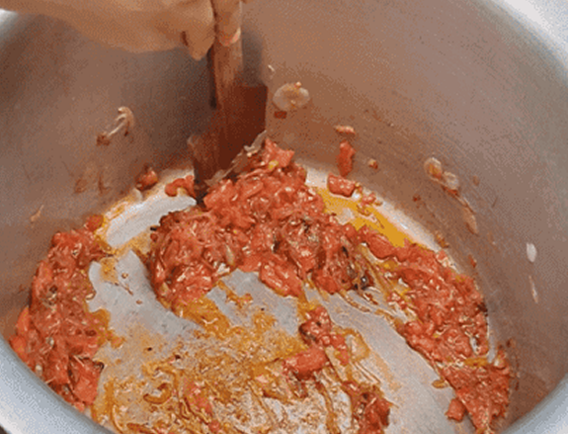
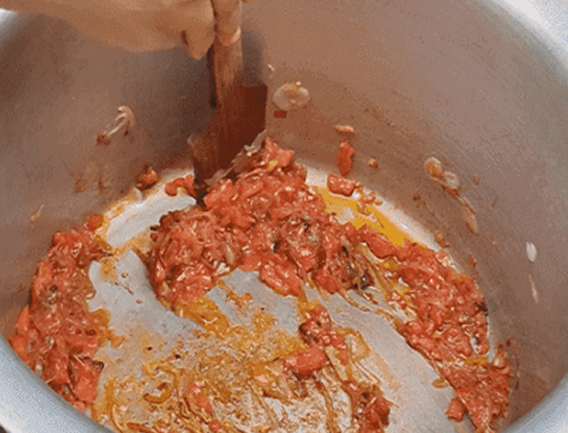
Step 16. Add the tomatoes and cook to a paste

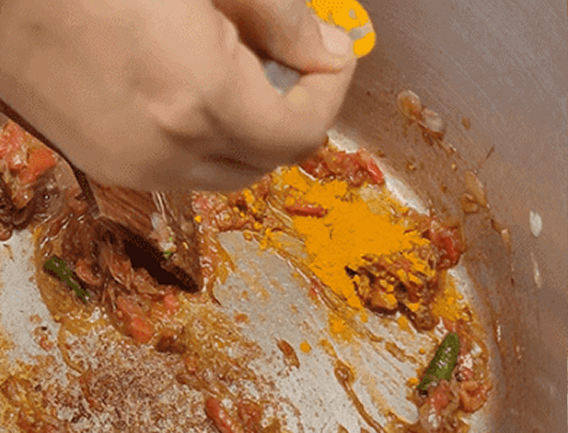
Step 17. Add the remaining turmeric.

Step 18. Add 2 tsps of green paste.

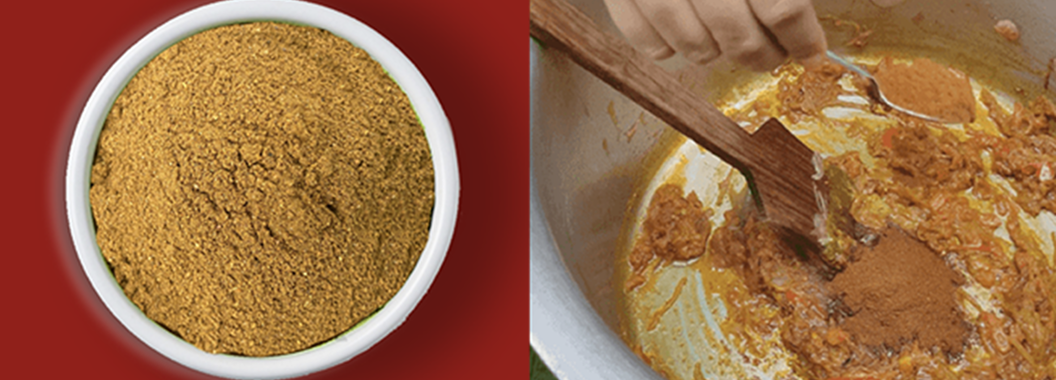
Step 19. Add 3 to 4 tbsps of The Goenchi Biryani masala and stir well.
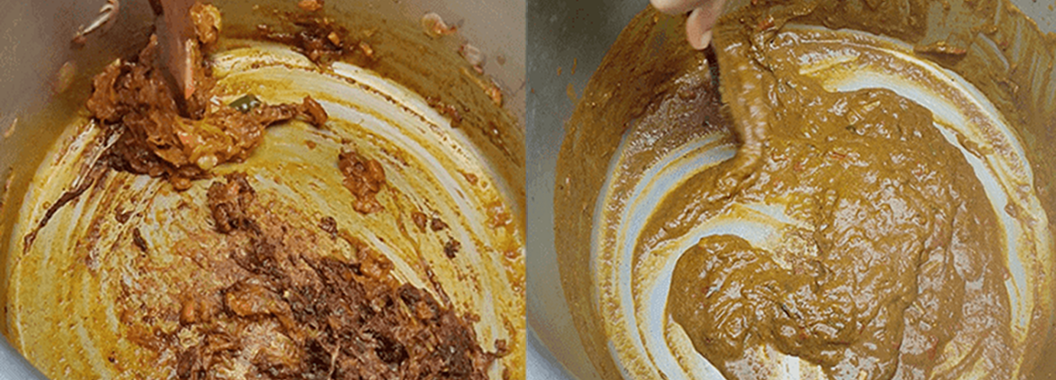

Step 20. Cook on high heat until it turns into a fine paste, stirring all the time.
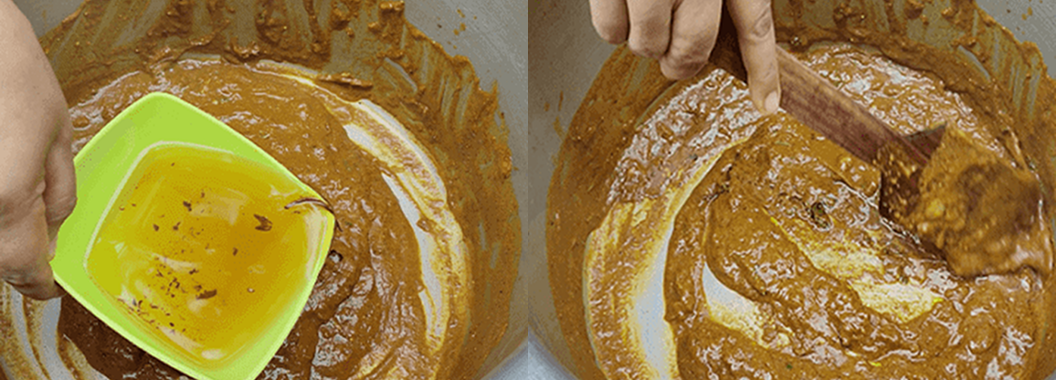

Step 21. Add 2 tbsps of oil, stirring continuously.
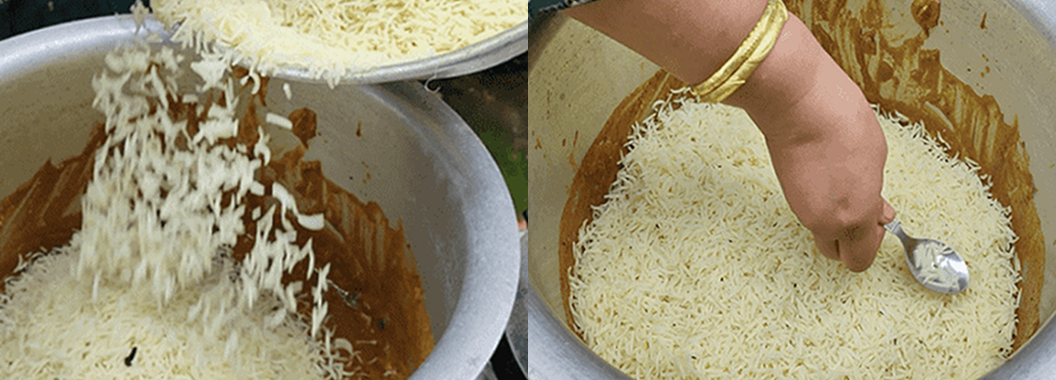

Step 22. Add half the rice and spread it over the gravy.
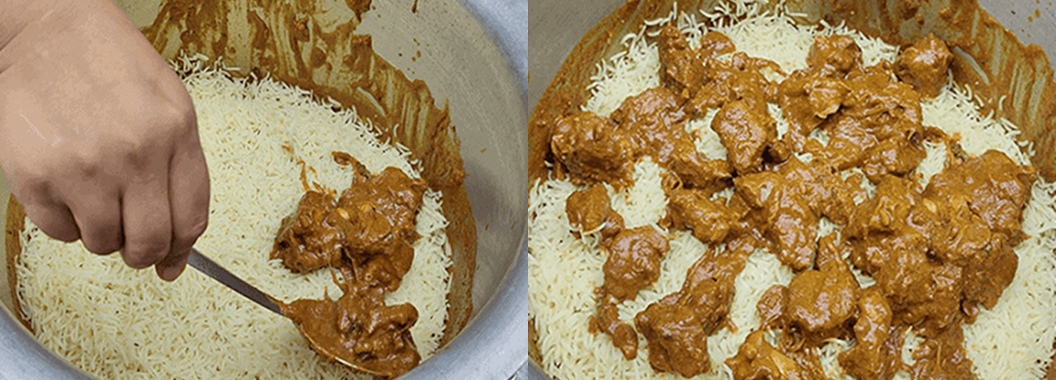

Step 23. Layer the mutton over the rice spreading it evenly.
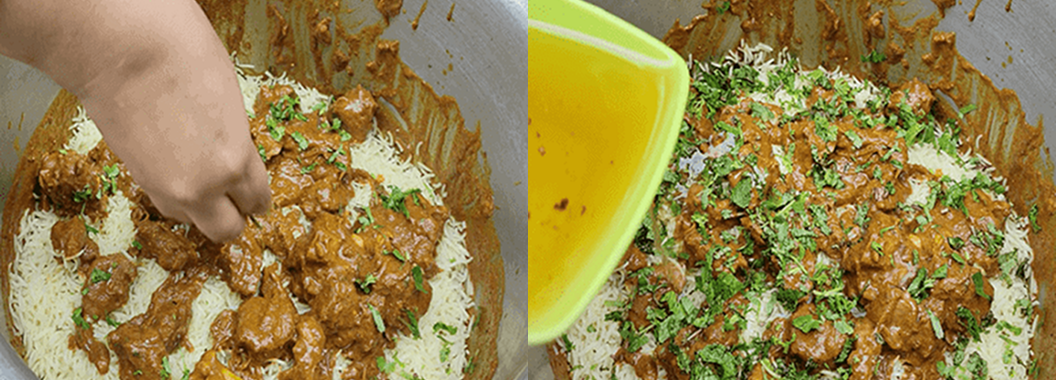

Step 24. Sprinkle the mint and coriander leaves and add 2 tsps of oil.
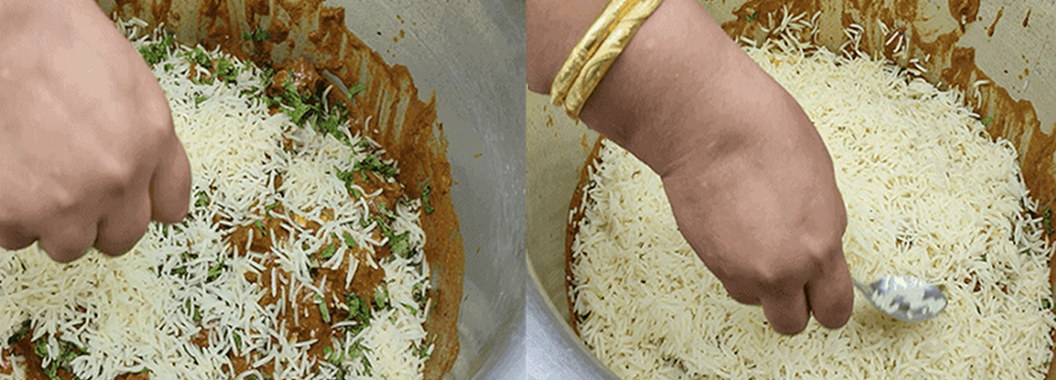

Step 25. Add the remaining rice over the mutton spreading it evenly.
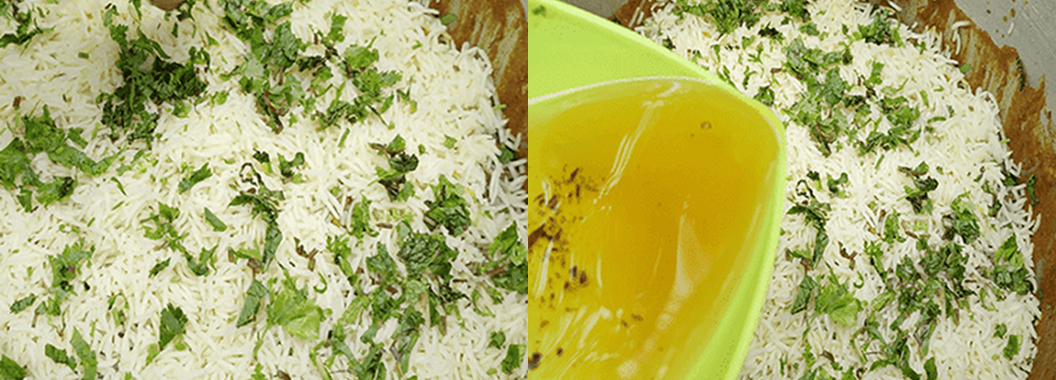

Step 26. Sprinkle the chopped mint and coriander leaves and 2 tsps of oil.
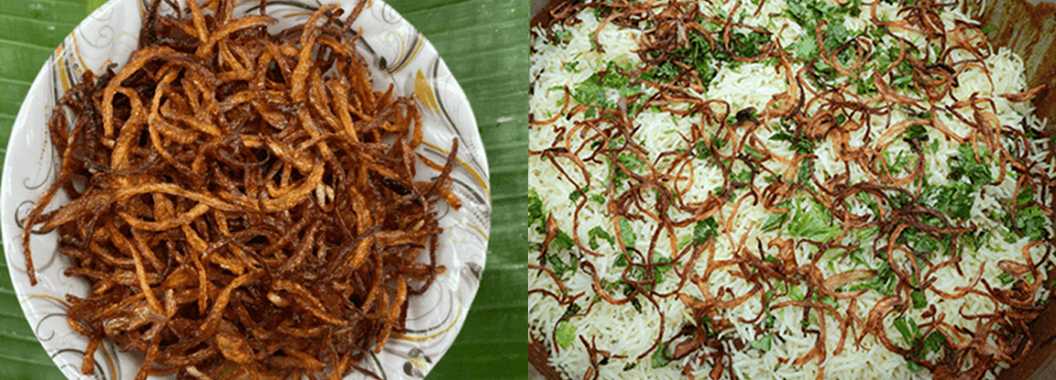

Step 27. Sprinkle the fried onions (optional).
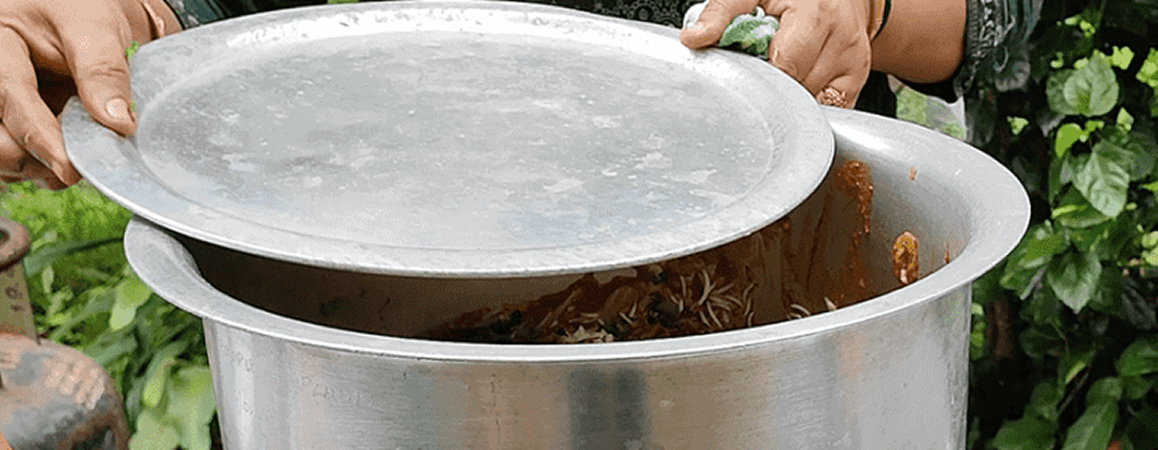

Step 28. Cover the vessel with a lid and cook for another 15 to 20 minutes.
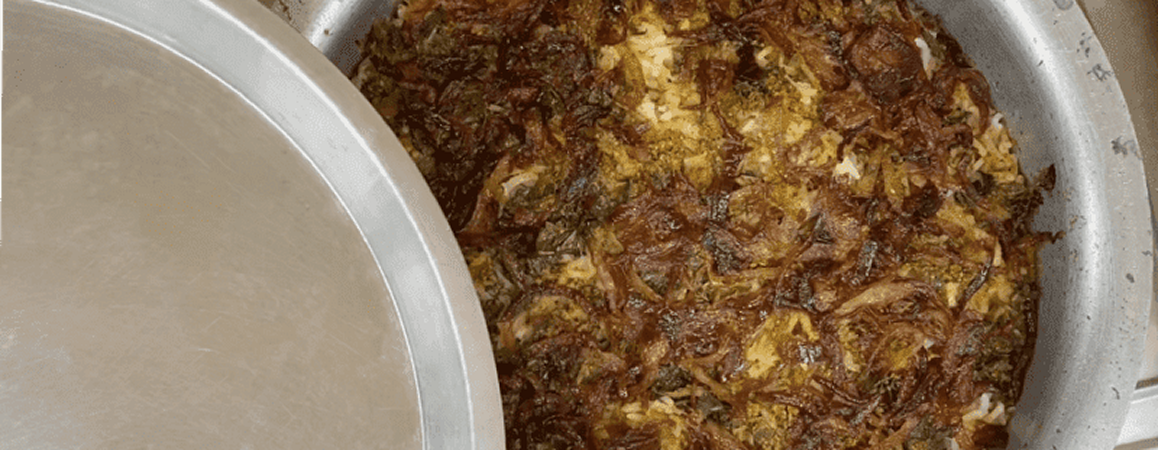
Step 29. The mutton biryani is ready.

Step 30. Serve with raita, pickle and pappad.
Note: Like it is with every preparation, Mutton Biryani is also not outside the boundaries of experimentation. There are many variations you can do on this theme, and of course adding potatoes is a common popular innovation. For 1 kg of mutton and rice, as in this recipe, one large potato will suffice, cut into four pieces. It is advisable to cook the potatoes separately to 80 percent—you can also lightly fry the potatoes to just brown them on the outside— and mix them with the cooked mutton and then together add them as a layer on the rice before the final cooking. Also, if you like boiled eggs with your biryani, add just two along with the first layer of rice so that they are in contact with the gravy and the rice. The quantity of ghee you use in the cooking results in how rich the biryani becomes, and instead of the fried onions, you can sprinkle some lightly fried cashew nuts and raisins or almonds in its place and also use them as a garnish. Many innovations are possible, and we would love to hear about how you did with our biryani masala.
Do let us know of your efforts and we’ll feature your recipe on our website. You can upload your recipe here.